Weihnachten auf Englisch: A Comprehensive Guide to the Festive Season
Verwandte Artikel: Weihnachten auf Englisch: A Comprehensive Guide to the Festive Season
Einführung
Mit großer Freude werden wir uns mit das faszinierende Thema rund um Weihnachten auf Englisch: A Comprehensive Guide to the Festive Season vertiefen. Lassen Sie uns interessante Informationen zusammenfügen und den Lesern frische Perspektiven bieten.
Table of Content
Weihnachten auf Englisch: A Comprehensive Guide to the Festive Season

While "Weihnachten" is the German word for Christmas, the English term "Christmas" is widely used in Germany, particularly in commercial contexts and everyday conversations. This widespread use of the English term reflects the global influence of English and the increasing interconnectedness of cultures. Understanding the nuances of "Weihnachten auf Englisch" necessitates a comprehensive exploration of its various facets, from its historical origins to its contemporary manifestations.
Historical Context:
The term "Christmas" originates from the Middle English "Cristes Maesse," meaning "Christ’s Mass." This name reflects the central religious significance of the holiday, commemorating the birth of Jesus Christ. While the exact date of Jesus’ birth is unknown, the celebration of Christmas on December 25th emerged in the 4th century.
Cultural Significance:
Christmas holds immense cultural significance in Germany, as it does in many other parts of the world. It is a time for family gatherings, gift-giving, festive meals, and the exchange of good wishes. The holiday is deeply intertwined with German traditions, such as the Christmas tree, advent calendars, and Christmas markets.
Language and Terminology:
While "Weihnachten" remains the traditional German term, "Christmas" has become increasingly common in everyday language. This is particularly evident in commercial contexts, where businesses use "Christmas" to appeal to a wider audience. However, the German language retains specific terms for various aspects of the holiday, such as "Weihnachtsbaum" (Christmas tree) and "Weihnachtsmarkt" (Christmas market).
Traditions and Customs:
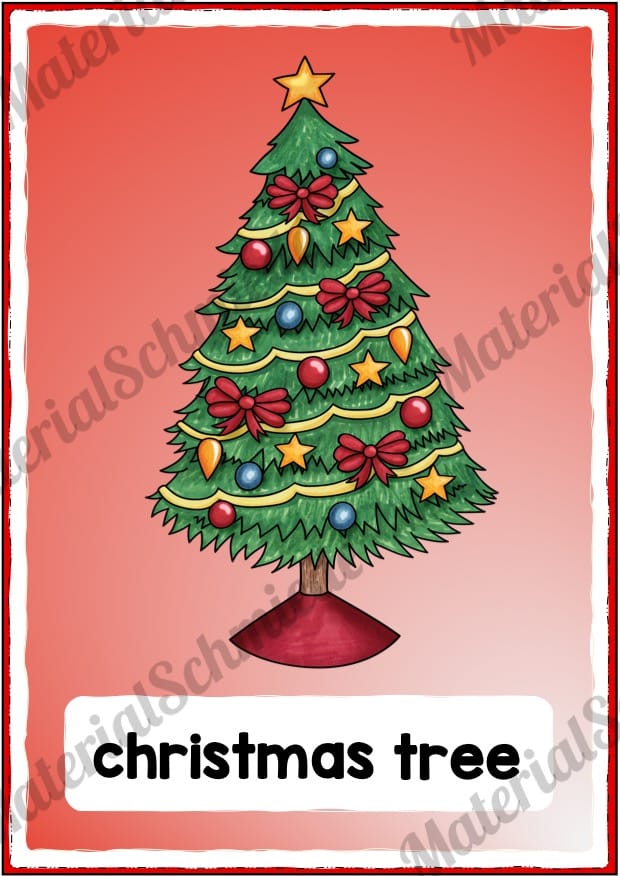
Christmas traditions in Germany are rich and varied, encompassing both religious and secular elements. The most prominent tradition is the Christmas tree, adorned with ornaments, lights, and a star on top. Advent calendars, counting down the days until Christmas, are another beloved tradition. Christmas markets, offering festive food, crafts, and entertainment, are a popular feature of the season.
Commercial Aspects:
Christmas is a significant commercial event in Germany, with retailers engaging in extensive marketing campaigns and offering special promotions. The holiday season is a peak time for consumer spending, with gifts, decorations, and food driving sales.
Contemporary Trends:
Contemporary trends in "Weihnachten auf Englisch" reflect a globalized world, with influences from other cultures and the rise of online shopping. While traditional customs persist, new trends, such as themed Christmas decorations and personalized gifts, are emerging.
FAQs about Weihnachten auf Englisch:
Q: Is "Christmas" a German word?
A: No, "Christmas" is an English word. The German word for Christmas is "Weihnachten." However, "Christmas" is widely used in Germany, particularly in commercial contexts and everyday conversations.
Q: Why is "Christmas" used in Germany?
A: The use of "Christmas" in Germany reflects the global influence of English and the increasing interconnectedness of cultures. It is also used in commercial contexts to appeal to a wider audience.
Q: What are some of the traditional German Christmas customs?
A: Traditional German Christmas customs include the Christmas tree, advent calendars, Christmas markets, and festive meals.
Q: How does "Weihnachten auf Englisch" differ from traditional German Christmas celebrations?
A: "Weihnachten auf Englisch" incorporates elements of English-speaking Christmas traditions, such as Santa Claus and Christmas carols. However, it also retains many traditional German customs.
Q: What are some contemporary trends in "Weihnachten auf Englisch"?
A: Contemporary trends include themed Christmas decorations, personalized gifts, and the growing popularity of online shopping for Christmas gifts.
Tips for Celebrating Weihnachten auf Englisch:
- Embrace both German and English traditions: Enjoy the unique blend of customs that characterize "Weihnachten auf Englisch."
- Explore Christmas markets: Immerse yourself in the festive atmosphere and discover traditional crafts and delicacies.
- Learn some Christmas carols in English: Sing along to popular Christmas songs and share the joy of the season.
- Enjoy festive meals: Indulge in traditional German Christmas dishes and try some English-inspired treats.
- Share the spirit of giving: Embrace the generosity and kindness that characterize the holiday season.
Conclusion:
"Weihnachten auf Englisch" represents a fascinating fusion of traditions and cultural influences. While the German language retains its own rich vocabulary for the holiday, the English term "Christmas" has become increasingly prevalent, reflecting the global interconnectedness of the world. Understanding the nuances of "Weihnachten auf Englisch" provides a deeper appreciation for the diverse ways in which Christmas is celebrated and enjoyed across cultures. The holiday serves as a reminder of the importance of family, community, and the spirit of giving, transcending language barriers and fostering a sense of shared celebration.




Abschluss
Daher hoffen wir, dass dieser Artikel wertvolle Einblicke in Weihnachten auf Englisch: A Comprehensive Guide to the Festive Season bietet. Wir hoffen, dass Sie diesen Artikel informativ und nützlich finden. Bis zum nächsten Artikel!